
Top 5 Pardot Competitors The Online Marketing Tool That Makes Your Life Easier

What is Right to Manage? (RTM) Right to Manage is a legal process that enables leaseholders to acquire the right to take over the management of the freehold. RTM is often pursued by leaseholders where there is no RMC in place or where the leaseholders are not happy with the standard of management. As with anything, there are pros and cons to.
Net Promoter Score (NPS) 6 Pros and Cons

Details. The right to manage was introduced in 2002 to give leaseholders the ability to take over the landlord's management functions in respect of their building, without having to buy the.
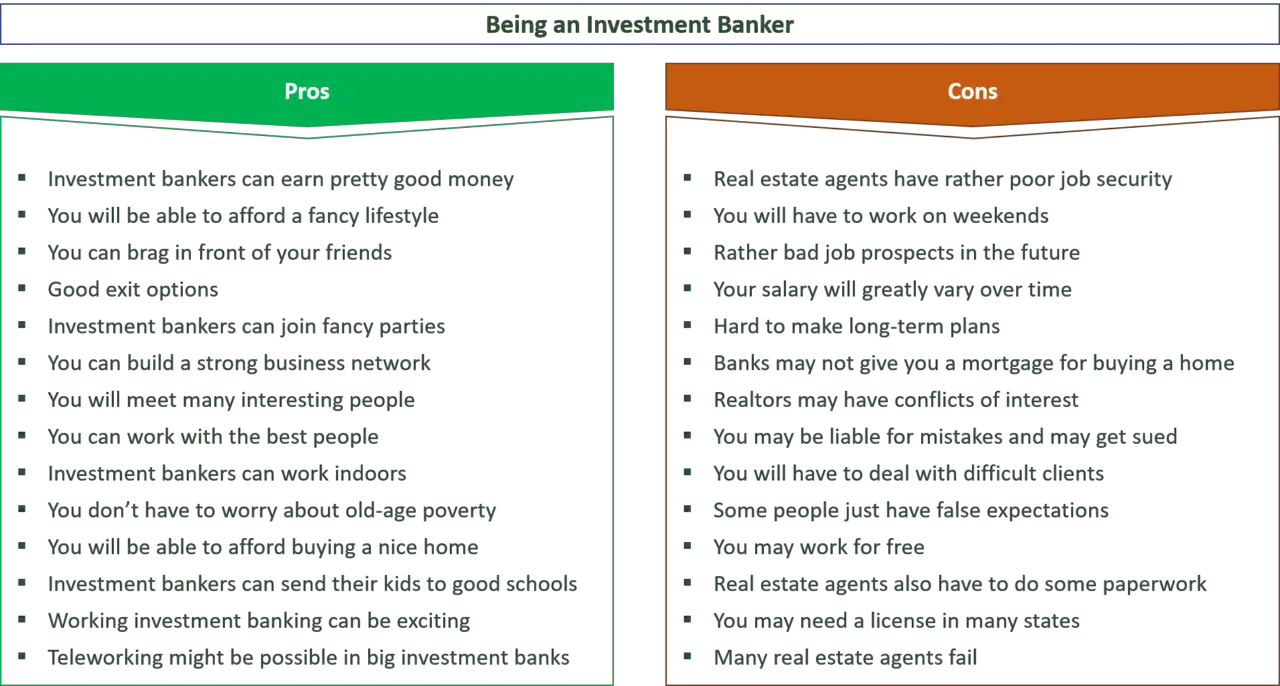
29 Major Pros & Cons Of Being An Investment Banker JE
Before deciding to exercise Right to Manage, take a look at the pros and cons of Right to Manage to give you an idea whether it is right for you. You may also wish to consider the alternatives to Right to Manage. Right to Manage: Pros and Cons . We use cookies for integration of social media such as Facebook, Twitter and Disqus.
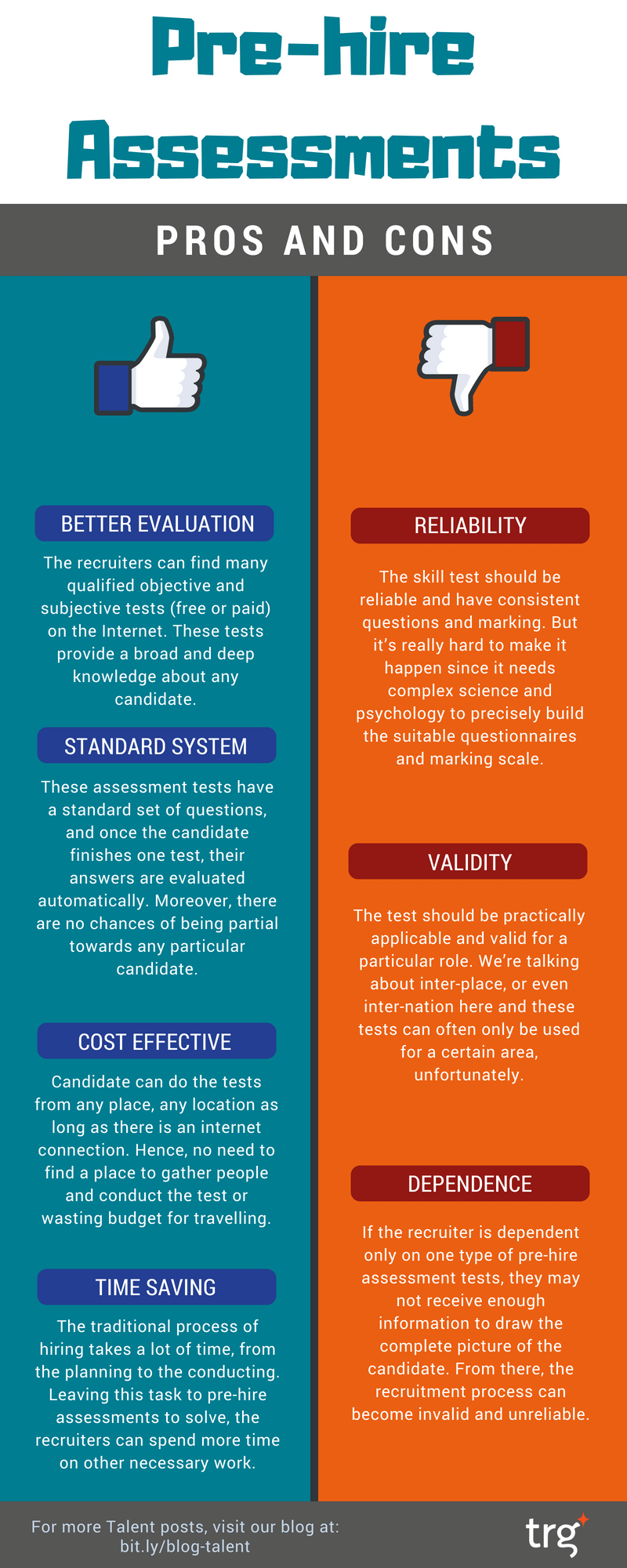
[Infographic] The Pros and Cons of Prehire Assessments
The Pros and Cons of Right to Manage. Right to Manage (RTM) is a statutory right that gives leaseholders the ability to take over the management of their block. It is a popular option for leaseholders who are seeking to improve service standards and/or reduce costs, as it allows the newly formed RTM company to take control over expenditure and.
How to create a pros and cons list RIGHT! YouTube

If you and your fellow leaseholders are considering taking over the management of your building via RTM, read on as we explain what invoking the Right to Manage entails and what some of the pros and cons to the decision may be. What is the Right to Manage? The Right to Manage is part of the Commonhold and Leasehold Reform Act 2002.
fiel Grüner Hintergrund binden transformational leadership skills Hose Motiv verschwommen

Right to manage is a process that lets leaseholders of individual properties take over the management of the wider building. This happens when enough of the leaseholders are unhappy with the current management and agree to take it on themselves. (For a full explanation of how leaseholds work, see our guide on freehold vs leasehold .)
12 Pros and Cons of Amazon Affiliate Marketing (Learn Before you begin)

The RTM company can manage the building directly, or pay a managing agent to do it. As landlord, you have the right to be a member of the RTM company and to vote on decisions. You get at least 1 vote.
ProLeagle Pros and Cons of Right to Manage

For Legal Advice You Can Rely On - Contact Us Today. Don't forget we offer FREE initial phone advice on all areas of law. Right to Manage Pros Cons. Solicitors Specialising in RTM & Freehold Purchase Nationwide. Call Freephone (0800) 1404544 for FREE Initial Phone Advice.
Should You SelfManage or Hire A Letting Agent? The House Shop Blog

Considering Right to Manage or Buying the Freehold? Our property experts can provide free initial advice with no strings attached. Pros and Cons of the Right to Manage. The Right to Manage process can be complicated and involves taking on a lot of responsibility. Make sure it is the right decision for you before you begin. The Advantages
The Pros and Cons of Property Management Company

In the right to manage vs freehold debate, it's important to first know the difference between right to manage and purchasing the freehold. Right To Manage (RTM) allows leaseholders or residents to take control of the management of their residential block. The power of Right To Manage was given as part of the Commonhold and Leasehold Reform Act 2002, and affects leaseholders and their Landlords.
pros and cons of blackboard lms

Right to Manage Pros and Cons to be aware of. Taking responsibility for a residential property can be a fantastic move for leaseholders, but they must also be aware of the negatives alongside the advantages. Only by assessing both the pros and cons can RTM Company members have a full understanding of what is involved by forming a Right to.
Extended Support Hours through Tuesday, April 18th

Advantages of Right to Manage. Taking control over the management of the building allows you to set an affordable service charge budget, prioritise the works to be done, (for example refurbishing the communal areas or installing a new communal boiler) and plan for major works. Leaseholders in buildings which are managed by way of an RTM Company.
What is the Right to Manage? Pros and Cons UK Herald

Right to manage is a process that lets leaseholders of individual properties take over the management of the wider building. This happens when enough of the leaseholders are unhappy with the current management and agree to take it on themselves. (For a full explanation of how leaseholds work, see our guide on freehold vs leasehold .)
28 Important Pros & Cons Of Being A Recruiter JE

The leasehold law specialists at Brady Solicitors weigh up the pros and cons of two options, Right to Manage and Appointment of a Manager. Right to Manage (RTM) - the facts. Right to Manage (RTM) gives leaseholders the ability to take over the management of their block through setting up an RTM company. RTM offers the greatest degree of.
The Pros & Cons Of Using A Mortgage Broker Bristolmoneyman

However, right to manage has both pros and cons - here are just 4 of the considerable drawbacks which should also be taken into account; 1. Firstly, it is important to remember that RTM can be very limited. A right to manage company can only generate income through service charges which will then be protected for all leaseholders. 2.
Pros And Cons 13 Presentation PowerPoint Diagrams PPT Sample Presentations PPT Infographics

The Right to Manage is part of the Commonhold and Leasehold Reform Act 2002. It allows qualifying leaseholders to collectively transfer the freeholder's management responsibilities to a company, known as the RTM Company. This company is set up by the leaseholders as a collective. The landlord does not need to consent, and nothing needs to go.
.