
NUR2092 Health Assessment Final Study Guide Questions & Answers, Rasmussen College. Peripheral

iStockphoto.com 531056230. Lower extremity clinicians say ankle foot orthoses, rocker-soled shoes, and other orthotic interventions can benefit patients with peripheral arterial disease and intermittent claudication by making it easier for them to exercise, and research is starting to demonstrate these benefits. By Shalmali Pal.
Peripheral Artery Disease Causes, Symptoms & Treatment
Peripheral artery disease (PAD) is a progressive atherosclerotic disease that affects >8 million Americans. 1 Symptoms of PAD are caused by insufficient arterial blood flow to the lower extremities, which often results in ischemia-induced, debilitating leg discomfort associated with walking. Claudication, which is cramping, aching, or pain in the calves, thighs, or buttocks, is the classic.
Hidden Dangers of Peripheral Artery Disease (PAD)
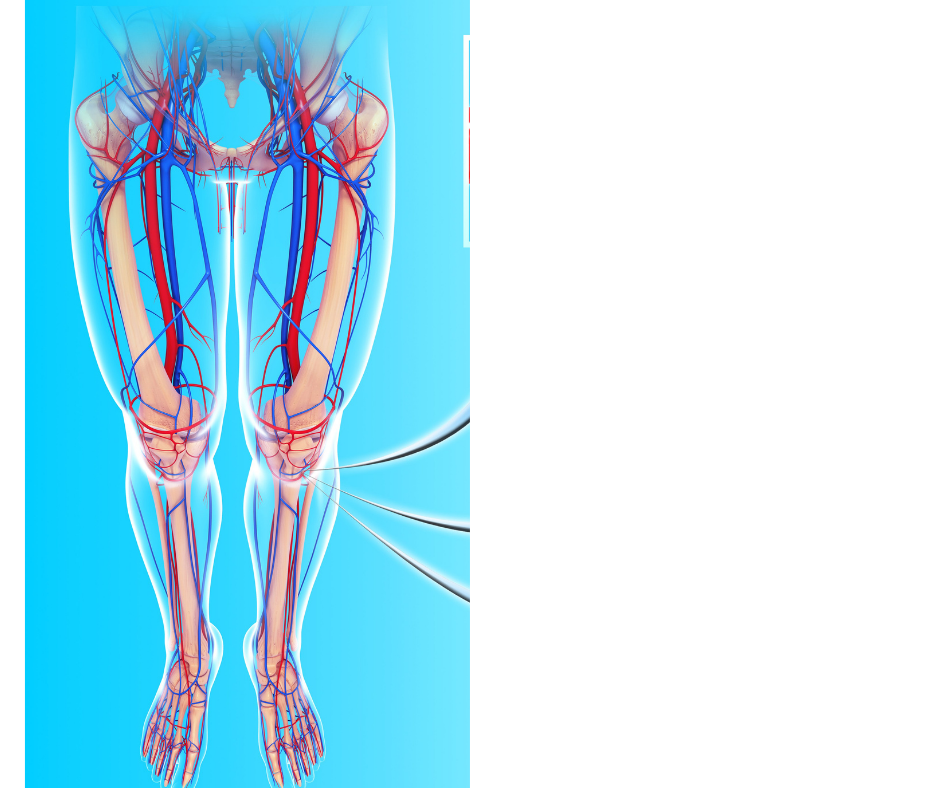
Atherosclerotic vascular disease manifests as various clinical syndromes depending on the vascular bed, plaque vulnerability and stenosis severity. In lower extremity peripheral arterial disease (PAD), patients with chronic obstructive disease are frequently asymptomatic but at risk for adverse cardiovascular events including myocardial.
best shoes for peripheral artery disease brignac

Guidelines. Of the 11 guidelines, three contained specific recommendations for foot care in patients with peripheral vascular disease. 3 - 5 The other eight guidelines focused on the prevention and management of foot ulcers in patients with diabetes or peripheral neuropathy. 6 - 13 Two of the guidelines were Canadian. 7, 9 All but one guideline 8 reported on the methods used to develop the.
Keeping You Safe Podiatry Best Shoes For Peripheral Neuropathy City Place Surgery

In peripheral arterial disease (PAD), which is often referred to as peripheral vascular disease (PVD) narrowed or blocked blood vessels in the legs result in reduced blood flow to both the feet and legs. This can produce a range of consequences for the feet as the cells and tissues suffer, hence those diagnosed with PAD and other blood flow impairments to the feet must take special precautions.
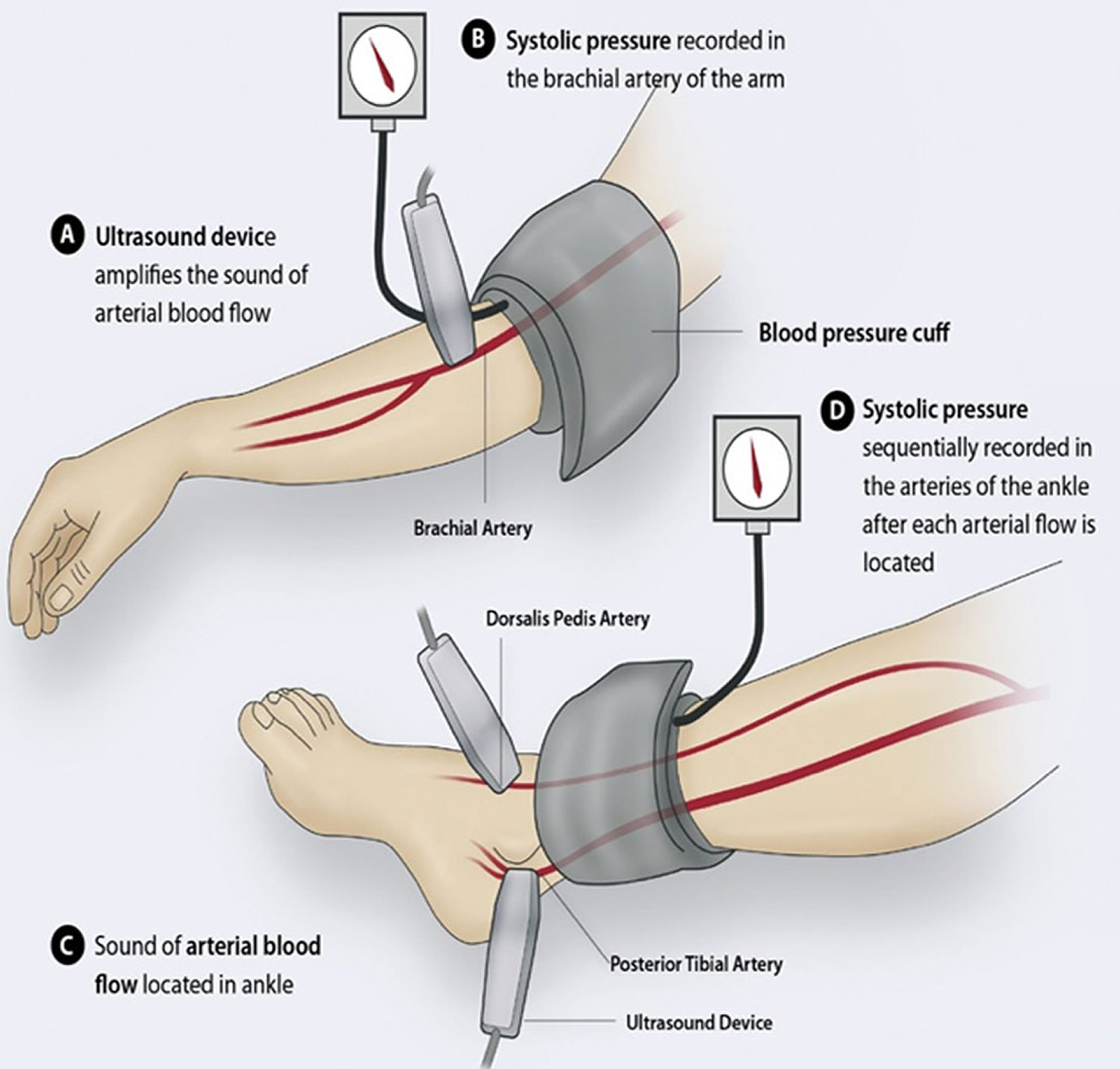
Peripheral artery disease measuring for patient anklebrachial index (ABI) test limb ischemia
Walk on a treadmill as long as possible until leg pain reaches three or four on a five-point scale. Rest until the pain goes away. Start walking again. Repeat this pattern for up to 60 minutes. Dr.
PERIPHERAL ARTERY DISEASE Dynamic Foot and Ankle Center

PAD Symptoms and Risk Factors. If you have cramping, tingling or weakness in your legs, you might have peripheral artery disease, also known as PAD. PAD can lead to leg or foot amputation and even heart attack or stroke. Early detection is key! If you have trouble with your feet or legs, talk to a doctor about PAD and ask to take off your socks.
Peripheral Artery Disease Devices Market to Eyewitness Stunning Growth by 2028 Covid19 Analysis

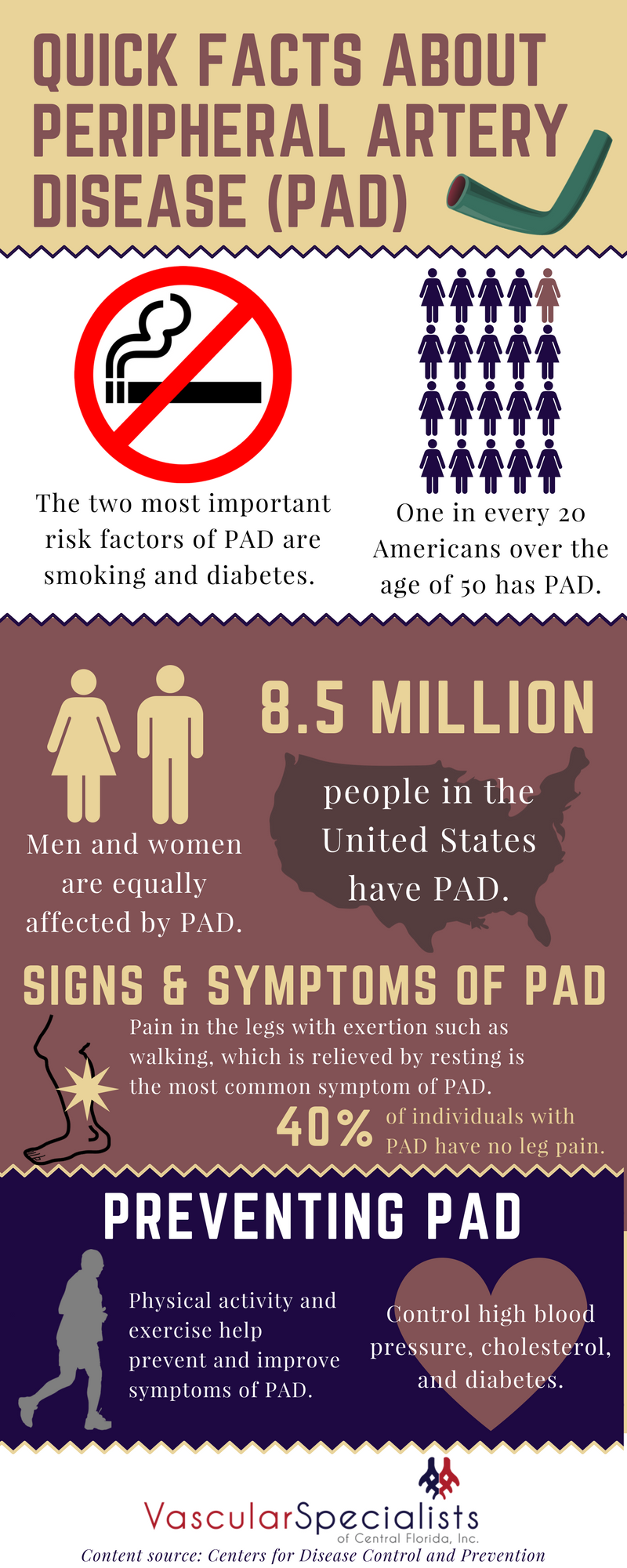
PAD affects 6.5 million people ages 40 and above, and is primarily caused by atherosclerosis, or a buildup of fatty plaque in the arteries. Leg pain during exercise that gets better after rest, like Abigail experienced, is a classic symptom of PAD, although as many as 4 in 10 people with PAD don't experience it.
Peripheral Artery Disease Escalating Worldwide Peripheral artery disease, Foot health, Feet care

Peripheral artery disease (PAD) is implicated in up to 50% of diabetes-related foot ulcers (DFU) and significantly contributes to morbidity and mortality in this population. An evidence-based guideline that is relevant to the national context including consideration of the unique geographical and health care system differences between Australia and other countries, and delivery of culturally.
Risk Factors for Peripheral Artery Disease Artery and Vein
Peripheral Artery Disease (PAD) is a condition that affects the blood flow to the limbs, particularly the legs and feet. It is typically caused by atherosclerosis, a buildup of plaque in the arteries, which leads to narrowing and reduced blood flow. PAD can cause symptoms such as pain, numbness, weakness, and poor wound healing in the feet and.
The 7 Of the Best Shoes for Peripheral Neuropathy 2022(That really helps)

Peripheral artery disease is related to reduced blood flow to the limbs. So, medicines may be given to improve blood flow. Aspirin or another medication, such as clopidogrel (Plavix), may be used to prevent blood clotting. Medications for leg pain. The drug cilostazol thins the blood and widens blood vessels.
Not just bad shoes and sore muscles she had peripheral artery disease

Walking is challenging when you have peripheral artery disease (PAD), narrowed arteries in the extremities. Even short distances can create leg pain and fatigue because your muscles can't get sufficient oxygen to meet demand.. Ironically, the best way to go further before symptoms stop you is to walk faster, according to a small.
Peripheral Arterial Disease Feet
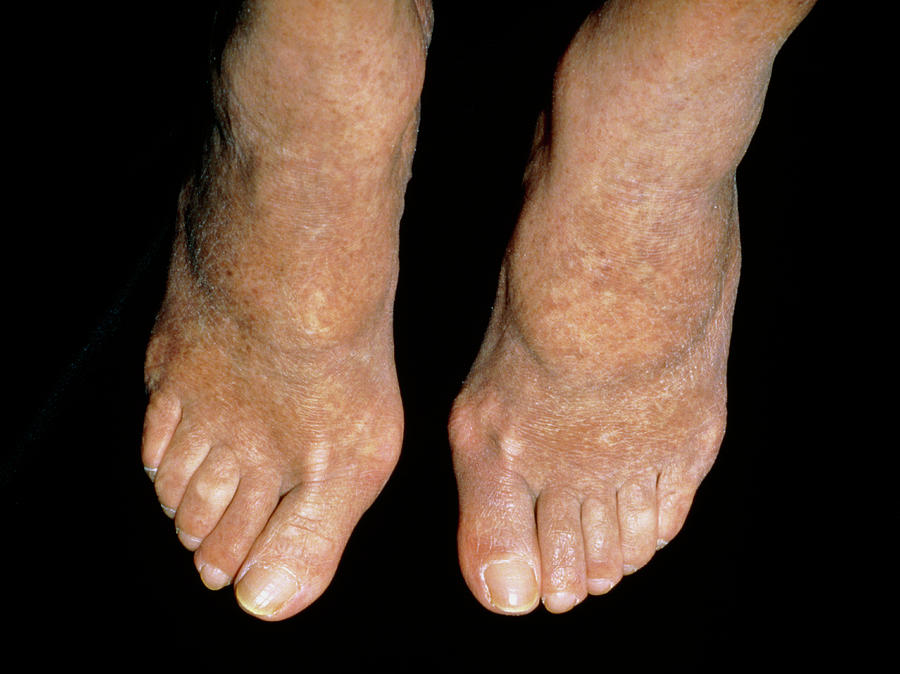
Stages. Acute limb ischemia. Progression. Early symptoms. Treatment. Takeaway. PAD typically onsets with no noticeable symptoms. Over time, it can progress and begin causing limb pain and cramping.
Comfort PerformanceX Men's Therapeutic Diabetic Double Depth Shoe Black XWide (XW/6E) Elastic
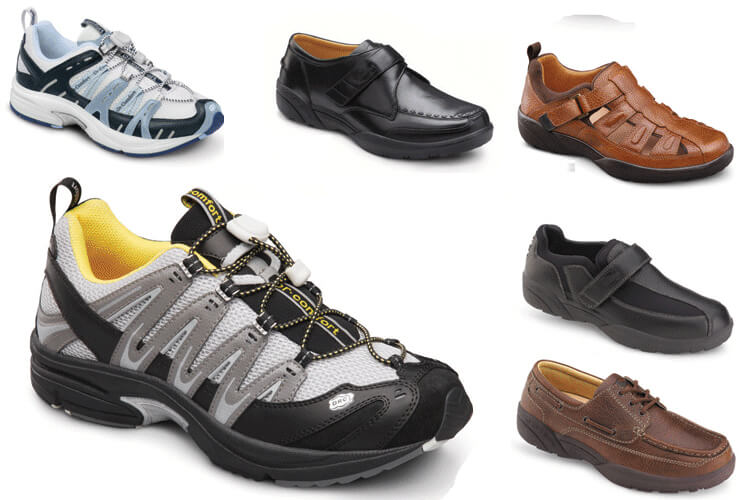
A podiatrist can do a pressure analysis to predict where ulcers or sores may show up. "The right shoes can help you avoid breakdowns by taking the pressure off those areas," Ross says. Also.
Peripheral artery disease PAD vector illustration VectorMine

to feel something wrong with your shoes or socks. 4. Choose shoes that will keep your feet safe. When you buy new shoes, have a shoe expert make sure the size is right for your feet. You may . not be able to feel a short or narrow shoe. Because your feet often get wider as you get older, you may need to change shoe sizes over time. When you.
Pedesorangecounty Best Medical Treatment For Peripheral Vascular Diseases
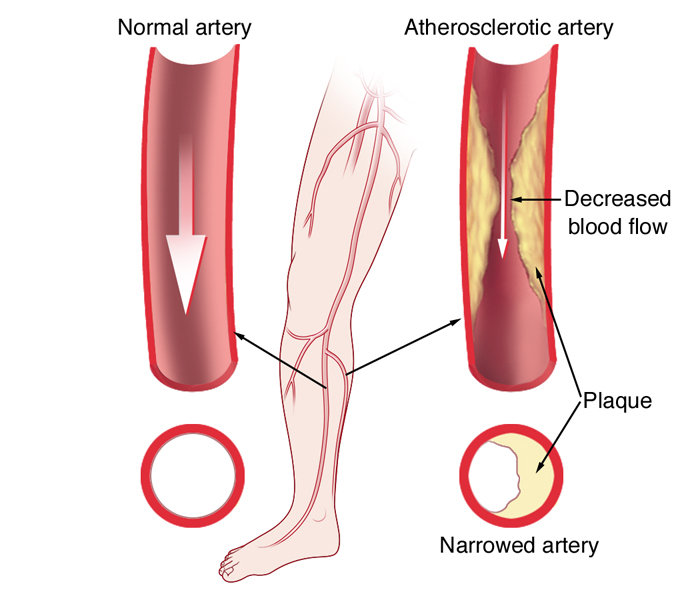
This may cause leg pain when walking (claudication) and other symptoms. Peripheral artery disease is usually a sign of a buildup of fatty deposits in the arteries (atherosclerosis). Atherosclerosis causes narrowing of the arteries that can reduce blood flow in the legs and, sometimes, the arms. Peripheral artery disease treatment includes.
.